Namibia’s nation brand is laying the foundations for a stronger future. Here’s how
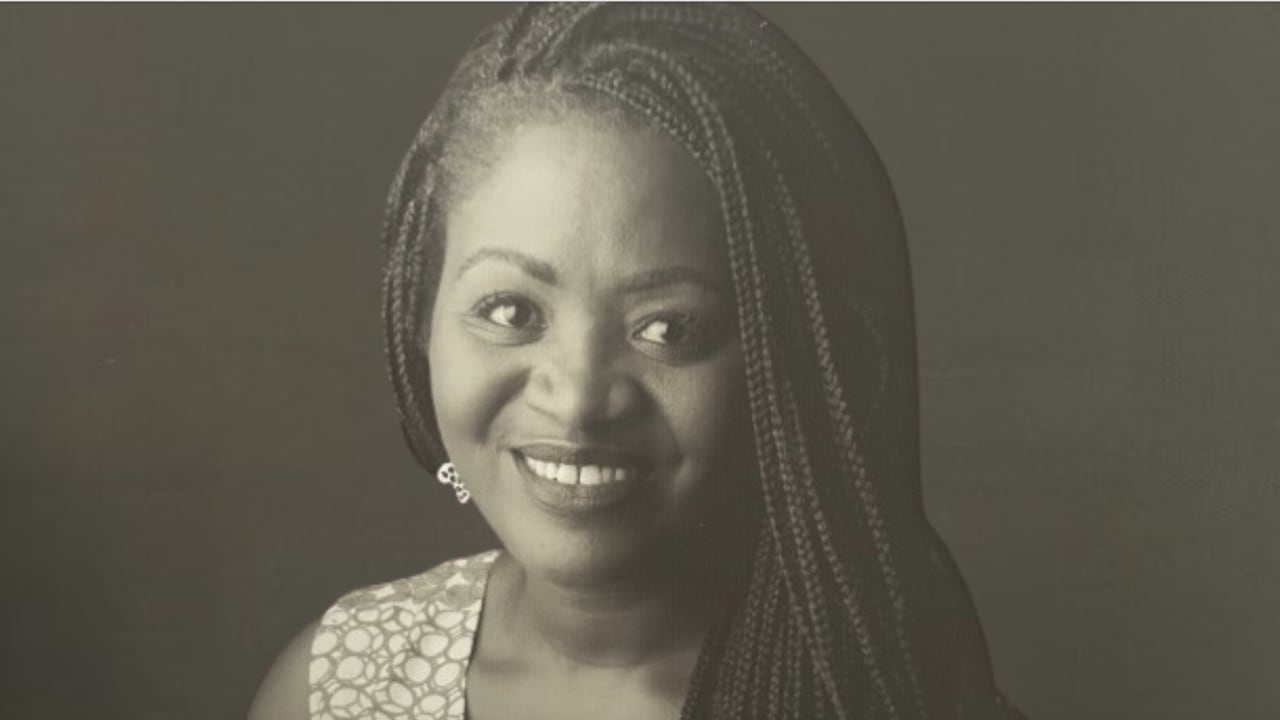
Namibia is in the process of developing a nation brand strategy for the country. We sat down with Margareth Gustavo, Executive for Competitiveness & Branding for Namibia Investment Promotion and Development Board (NIPDB) and one of our 2025 Award jurors, to understand how they’re laying the foundations for a strong, impactful nation brand and what success would look like to her.
Namibia is undertaking a process to develop a nation brand strategy. What are your ambitions for this brand and how do you hope it will help you to realise a stronger future for Namibia?
Brand Namibia is a strategic national initiative aimed at crafting a powerful, unified image of Namibia to the world, an image rooted in our values, culture, innovation, and aspirations. It is a platform to tell our story on our own terms, showcasing the unique blend of opportunity and authenticity that Namibia offers.
The initiative was established by the Ministry of Information and Communication Technology (MICT), the Ministry of Environment, Forestry and Tourism (MEFT), and the Namibia Investment Promotion and Development Board (NIPDB). It has since received Cabinet endorsement, in line with national mandates to promote Namibia across diverse sectors and platforms.
We have convened a broad coalition of organisations from both the public and private sectors to shape the brand Namibia needs at this time. These stakeholders are not just contributors; they are partners in co-creating an identity that reflects our collective vision for the nation. As we prepare to enter the development phase, it is imperative that this process is informed by the perspectives of Namibia’s leading champions particularly those who have been instrumental in driving the country’s economic growth and global engagements.
At present, Namibia’s messaging is fragmented. The Namibia Tourism Board markets the country as a premier tourism destination; the MICT promotes Namibia domestically; Team Namibia champions locally made goods; and since 2019, the NIPDB has driven investment promotion and facilitation. What is urgently needed now is alignment - a unified, coordinated national message that presents a compelling Namibian story to the world.
A question posed by my boss has deeply resonated with me:
If Namibia were to disappear from the map today, what would the world miss?
When we can answer that question with clarity and confidence, we will be ready to claim our place as a respected and relevant player on the global stage. That is our ambition: to build a cohesive, credible, and uniquely Namibian brand defined not by what we share with our neighbours, but by what sets us apart. We need to understand who we are as a nation, what we uniquely offer, and how we can leverage that on our own terms not through a logo, but through a positioning that reflects Namibia in her truest and even most challenging form.
If we can achieve this, we will not just tell Namibia’s story; we will shape her destiny with intention, authenticity and integrity.
So, what’s next now that you’ve been given the remit for nation branding?
By the end of this year, we must deliver a Brand Namibia strategy that everyone, across government, private sector, and civil society can buy into. To achieve this, we are engaging a consultant to help guide the development of the strategy, but it is equally important that Namibians themselves form part of the core team shaping this work.
This work will be led by a dedicated working committee chaired by the Minister of ICT, Honourable Emma Theofelus, which plays a critical role in incorporating diverse local perspectives and ensuring that the strategy reflects a broad national consensus.
Between August & September, we are conducting a comprehensive audit of existing research and data. This exercise will help us:
- Identify the insights we already possess
- Pinpoint gaps that need to be addressed
- Determine who we need to collaborate with to close those gaps
We will also draw from a wide range of global indices, rankings, and reports that illustrate how Namibia is currently perceived internationally. This will provide us with a baseline against which we can measure progress and assess whether our branding efforts are effectively shifting perceptions and strengthening our global position.
By the end of this year, we aim to have the full Brand Namibia strategy developed, accompanied by a clear governance framework to ensure smooth implementation. Achieving this requires early buy-in from both government stakeholders and the private sector, so that we can co-create a shared vision for Namibia’s identity on the world stage.
We have already begun engaging Namibian businesses that are making a global impact through their exports and the appetite for collaboration is evident. There is a genuine willingness to partner, though branding can feel intangible to those outside the process.
We are also leveraging the private sector to support our research efforts. In particular, we are engaging with leaders of companies who have made Namibia their home even if they’re not Namibian "by birth" to understand what attracted them to Namibia. Their perspectives will form part of our strategy development process.
Together, these efforts will lay the foundation for a Brand Namibia strategy that is authentic, credible, and actionable with clear pathways to enhance Namibia’s presence, perception, and competitiveness globally.
What does success look like for your nation brand strategy?
When we talk about competitiveness, we are really talking about a wide set of capabilities , economic, institutional and human, that determine how well a country can perform in today’s world. These same capabilities directly impact how our nation is perceived globally. That’s why improving our competitiveness is not just an economic imperative, it’s central to building a credible and compelling nation brand.
Our goal is to identify the core components that shape competitiveness for example, human development, infrastructure, innovation, and the ease of doing business, as well as pursue policies that meaningfully strengthen these areas. When we tick the boxes that move us up global competitiveness rankings, we also generate tangible proof points to reinforce Namibia’s vision and values on the global stage. Simply put: we must fix what’s inside before we can project confidence outside. In our case, these efforts must happen in parallel - not sequentially.
This is the context in which the President’s strategic mandates must be understood. Two key areas of focus, agriculture and the creative industries are not only sectors with growth potential, but also opportunities to address pressing social and economic needs.
Take the creative economy. Namibia’s young people are already finding ways to earn through global platforms like YouTube. Yet we face a structural challenge: there are no local payment systems in place to facilitate seamless payouts, and major platforms often deem our market too small to justify formal expansion. But that cannot be the end of the conversation. We must explore ways to create our own infrastructure, whether that means regional collaborations, fintech solutions, or local platforms that bridge the current gap.
Success, for us, means crafting Namibian solutions to Namibian challenges. When we do that well, we don’t just raise our internal standards, we strengthen our voice and visibility on the world stage. Our story becomes not just aspirational, but actionable and that’s how you build a nation brand that truly sticks.
What is the secret to impactful public-private collaboration?
At the heart of every successful public-private partnership is one simple but powerful ingredient: trust.
Right now, there is often a misunderstanding between sectors. The private sector sometimes sees the government only as a regulator or facilitator of business conditions. On the other hand, the government can fall into the trap of viewing the private sector as purely profit-driven. But the truth is more complex and more hopeful.
Yes, businesses exist to make profit. But many are doing far more than that. They’re paying taxes, supporting government efforts to address social challenges through corporate social investment initiatives, and in some instances above-market salaries when they don’t have to. They are training young talent. They are investing in long-term infrastructure. These are not just transactions, they are acts of nation building.
That’s why we need open and honest dialogue. To align on expectations. To understand each other’s roles. And to work together on solutions.
That’s the thinking behind a new platform called the Namibia Public-Private Dialogue platform, chaired by the President. It’s not a talk shop; it’s a forum for action. If we are asking the private sector to help create 500,000 jobs, we have to ask ourselves: What does the government need to do differently to unlock that? What policies, laws, or incentives must evolve? It’s about mutual accountability and joint problem-solving.
In the end, impactful collaboration isn’t just about shared goals. It’s about speaking the same language, building shared trust, and staying solution-oriented every step of the way.
Finally, what would your advice be to anyone who’s looking to enter the City Nation Place Awards?
If you are thinking of entering the City Nation Place Awards, here’s my advice: lead with authenticity. I want to see the full story—not just the polished campaign or the final creative. What were the challenges? Where did things go wrong, and how did you adapt? The most compelling entries are the ones that show not just strategy, but resilience and honesty.
Impact matters. This isn’t just about creative flair - it's about strategic intent. Show us how you shifted perceptions, how you sparked pride or investment, and how your work is helping your place compete more effectively on the global stage.
Every place is different. My country offers something completely unique and so does yours. That’s where the power lies. I’d love to see more entries that reflect how two or more places have collaborated, whether to open trade opportunities, co-invest in shared goals, or elevate each other’s visibility through partnership.
It doesn’t have to be perfect. But if you can tell a story with a clear vision, backed by evidence of change, and driven by the ambition to do something transformative, then that’s the kind of entry that stands out.
We are all working on ideas that have the potential to change the world. Show us how you’re bringing yours to life.
Margareth, it’s been a pleasure. Thank you for sharing that.
Don’t miss your opportunity to benchmark your work against cities, regions, and nations around the world! Submit your entry to the City Nation Place Awards before September 10th for your chance to win.