What does Generative Engine Optimisation mean for place branding and place marketing?

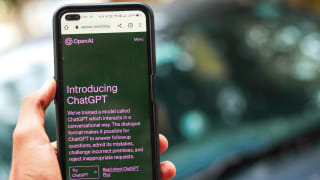
The advent of large language models like ChatGPT, Gemini, and Claude, alongside AI-powered search engines has fundamentally changed user behaviours in online spaces. The days of clicking on a link to find an answer are increasingly behind us. Now, a summary is presented that pulls from a handful of sources to immediately respond to the user’s query.
This technology could fundamentally reshape the internet as we know it today, threatening traditional advertising models and opening up new questions about authority, trust, and what constitutes a verified source. But for the purpose of place branding and place marketing teams, the new challenge is this: How do you make sure that the information surfaced about your place by AI is accurate and on brand?
We asked place branding and marketing experts from around the world what they consider to be the most fundamental change place leaders need to make in order to adapt to this new era of Generative Engine Optimisation (GEO)…
Double down on E-E-A-T to demonstrate authority.
The shift is from ranking to being cited. As AI synthesises answers from trusted sources, destinations must position themselves as the authoritative voice on their own story. This means creating structured, semantically rich content that directly answers traveller questions, strengthening E-E-A-T through expert-led and first-party data, and maintaining consistent narratives across owned channels. Keywords still matter, but credibility, clarity, and completeness are what GEO rewards.
Sigvard Alarcon, Director of Digital Campaigns, Trove Tourism Development Advisors
Being found isn’t enough – you have to be understood.
Generative AI is fundamentally changing how travellers discover places, shifting discovery from keywords and rankings to conversations and recommendations. In this new era of Generative Engine Optimisation (GEO), destinations must focus on being clearly understood, not just easily found. That means sharpening brand narratives, answering real traveller questions, and prioritising inspiration early in the journey. AI-driven discovery favours destinations with distinct identities, consistent storytelling, and emotional relevance. You can see this transformation firsthand within conversational environments, where destinations that communicate purpose, personality, and possibility earn consideration long before a click ever happens.
Jamie Claudio, EVP, Global Destination Strategy, Tiki
Third-party coverage is your friend.
The shift from SEO to GEO requires a fundamental mindset change: you're no longer optimising for algorithms. You're training AI to recommend you. Three priorities stand out. First, earn the narrative. AI learns from authoritative third-party sources such as editorial coverage, Wikipedia, and traveller reviews. Your owned content matters less than what others say about you. Second, be distinctly positioned. AI recommends three to five options with conviction. Generic positioning gets ignored. What are you known for? Third, add AI visibility to your measurement stack. Few brands are tracking this yet, which means there's a window to get ahead. The places monitoring and optimising now are building advantages that compound over time.
David Kenworthy, VP, Product & Innovation, MMGY
Align your narrative across all touchpoints.
Place marketing teams don’t need to chase new tools. They need to become better sources. In AI-driven and GEO search, visibility is shaped by how clear, consistent and authoritative a place’s information is across its website, earned media and paid channels. AI pulls from all of these at once, so when messaging is fragmented or outdated, it weakens how a place is understood and represented.
To adapt, teams should align their core narrative everywhere, keep key website pages current and factual, and treat industry, workforce and incentive content as long-term reference material. Just as importantly, credible earned media now acts as third-party validation that reinforces how AI systems describe a place.
Carly Steele Johnson, Senior Director, SEM & Media, Development Counsellors International
Restructure your content to anticipate common user questions.
High-quality GEO is time-intensive, exceeding typical SEO. It requires anticipating user questions and restructuring website content for AI-friendly information extraction. Successful GEO demands constantly updated local information, audience connection, and detailing expected experiences. Additionally, since AI uses external sources, maintaining a positive brand presence through social media, influencers, earned media, and general buzz is essential. This should be a deliberate, high-priority "line item", so to speak, in your overall strategy. Maintaining the narrative requires proactive planning, continuous refinement, and the ability to react swiftly.
Jessica McCarthy, President, Joy Riot
Build clearly labelled content structures like FAQs for AI to draw from.
33% of travellers are now using AI to plan their trips and destination experiences. The question that should now be top of mind for place brands teams is how is our place brand and key messaging showing up on AI platforms? Enter GEO (Generative Engine Optimisation) also known as Agent Ready Design Optimisation. Being ‘agent ready’ means ensuring that platforms use clear, accessible language and content paths which are AI friendly. Ensure content is labelled correctly and build dedicated content structures such as FAQ libraries which serve up pace content aligned with common AI prompt requests for your place.
Barry Rogers, Destination Strategy Director, TOPOSOPHY
Prioritise freshness by updating high-potential older content.
Place marketing teams should prioritise content freshness as a core part of their strategy. Too often, high-potential older content is left underused while nearly all the time is spent producing new material. That limits reach and credibility, especially now as AI assistants favour content that is 25% fresher (source: Ahrefs). We recommend that place brand teams aim for a 70-30 or 60-40 balance of new-to-updated content. Refreshing strong assets improves visibility across both AI and traditional search, the latter of which remains the primary driver of discovery for most place brands.
Steve Duncan, Managing Director, C Studios
Be trusted and be transparent.
AI is a must-have layer in place marketing today. But it’s developing so rapidly that gaps in organisational readiness are inevitable. Start with some basics…
Optimising for AI search: Audiences want personalised search responses that can generate comparisons and create tailored advice. But it’s got to be trustworthy. AI, like people, prioritises reputable, structured content from frequently cited sources, with results that are easy to extract and display.
AI-driven content creation: While AI-generated content is easy to create, ensure it always reflects your distinct brand voice. Integrate real stories and testimonials wherever possible.
Be transparent: Ensure AI use aligns with your organisation’s ethical standards backed by strategies to measure, monitor, and influence how your organisation’s implementation of AI evolves
Jeannette Hanna, Chief Strategist, Trajectory
Leverage data to ensure you’re on point and on brand.
GEO is bringing place marketing back to its basics, in a way that mirrors how travel relies on agents providing personalised guidance. Just as agents need to know their clients, destinations now need to understand their audiences so they can provide the right information to AI. Data has become even more essential: insights on visitor behaviour allow destinations to understand what visitors truly want and reflect that in the experiences and information they provide. With less control over how content appears, destinations must ensure accurate and consistent information across maps, reviews, social media, and websites, reflecting real visitor experiences. In this environment, authenticity and relevance don’t just help — they determine whether a place is seen, trusted, and chosen.
Mirko Lalli, CEO and Founder, The Data Appeal Company
Don’t forget why you’re writing the content in the first place – and who it’s really for.
The key is helping AI engines clearly understand and trust your content, without diluting brand voice or perspective.
Structure matters because it creates visibility. Clear headings, direct definitions, bullet points, FAQs, and summaries at the top or bottom help AI quickly pull accurate answers. But structure is only the starting point. The real risk is writing for AI and forgetting the why behind the content. Authenticity still matters. Real expertise, natural language, and a clear point of view are what make content credible in the first place. You need to bring AI and SEO experts together to ensure content is structured, trustworthy, and genuinely human – whilst still being able to successfully sell to an algorithm.
Matthew Kruchko, Head of Global Operations, Gravity Global
You need SEO and GEO working in tandem.
While GEO’s focus on optimising for AI search might seem at odds with SEO’s emphasis on driving site traffic, both are crucial for the success of a place brand’s digital presence. GEO isn’t replacing SEO; instead, AI-powered search is giving consumers more pathways to discovering information.
Place brand and marketing teams need to optimise their digital presence for both GEO and SEO through tactics like:
- Tracking how your brand appears in AI search
- Maintaining solid technical fundamentals
- Engaging in reputation management and good public relations across channels
As AI revolutionises the search landscape, smart tactics will help you show up in all the new ways users are consuming content.
Justin Gibbs, Director of Strategy & Insights, Miles Partnership
GEO is a team sport.
Three shifts will make a huge difference.
First, teams need to have basic knowledge of how AI algorithms differ from traditional search algorithms and where they overlap. That helps shape smarter strategies and best practices that work for both SEO and GEO.
Second, knowing GEO is a full team effort. AI pulls from a wide range of sources, so a cohesive strategy spanning the digital team, leadership, research, and PR really matters.
Finally, place brands should understand what their websites can and cannot influence in the big picture. You cannot optimise your way onto a “best places for XYZ” AI ranking. But once your region is in the conversation, your website can influence the data and narrative being shared about your place.
Brianna Vetrano, Digital Marketing Consultant, Vetrano Digital Marketing