Waiaroha Hastings: Essential infrastructure or placemaking project?
Public infrastructure is typically treated as an unfortunate necessity, hidden away from view. Yes, we all need waste management centres and water treatment plants, but we don’t want to see them.
But is that really the case?
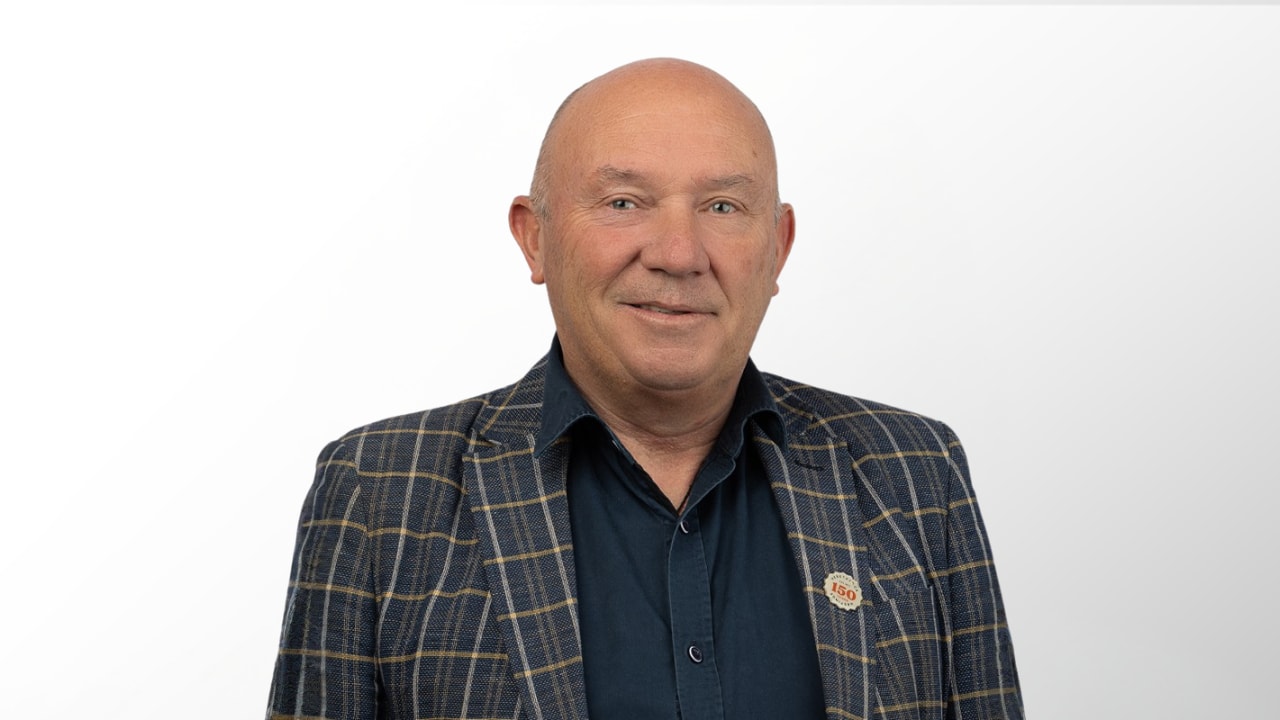
After water contamination left hundreds ill, Heretaunga Hastings in New Zealand redefined how water treatment could be a civic asset. Nigel Bickle, CEO of Hastings District Council, joined us to explore how you can connect public infrastructure with your cultural values, rebuild trust after a disaster, and embed community engagement across all levels of your placemaking project.
You won the award for Best Placemaking Initiative for the way you re-envisioned water treatment as a core pillar of city life. What prompted this redevelopment?
The redevelopment was prompted by the Havelock North drinking water contamination event in 2016, which left hundreds ill. That had a significant impact on public trust and confidence in water infrastructure. It highlighted the need for modern, resilient treatment, and storage to protect public health. At the same time, it raised a wider question for Hastings. Water is fundamental to life, culture, and the environment, yet the systems that protect it are often hidden from view and poorly understood.
Rather than rebuilding quietly behind fences, Hastings chose to respond in a way that was open, visible, and educational. Waiaroha reflects a deliberate shift in thinking. Essential infrastructure can also be civic infrastructure. By placing water in the centre of the city, both physically and symbolically, the project set out to build trust, connect people with water, and express what matters to Hastings as a place.
How does the Waiaroha – Heretaunga Water Discovery Centre respond to that challenge?
Waiaroha puts massive drinking water infrastructure ‘front and centre’ in the middle of the city, and combines it with education, culture and green space. It is a fully operational water treatment and storage facility, but it is also a place where people can see how water is treated, learn why it matters, and understand their relationship with it.
A key part of this approach is the concept of ‘one water’. Instead of presenting water through a narrow technical lens, where drinking water, wastewater, and stormwater are treated as separate systems, Waiaroha presents water as a single, connected system that moves through the environment, culture, and community. This perspective aligns strongly with te ao Māori (the Māori worldview), where water is understood as a living taonga with whakapapa (a treasured, cultural object, traced back to our ancestors), rather than a set of disconnected services. Scientific explanations of treatment processes sit alongside cultural narratives, helping visitors understand both how water is managed and why it must be protected.
The result is infrastructure that does more than function well. It builds understanding, respect and long-term care for water.
Has it worked? How are you measuring the success of the project?
Yes. Success is measured in several ways. Since opening, Waiaroha has welcomed more than 20,300 visitors, including 126 organised groups. These range from early childhood centres and kura kaupapa Māori (Māori language immersion schools) through to secondary schools, tertiary institutions, iwi (Māori tribes), community organisations, and water sector professionals.
The quality of engagement has been equally important. Visitors consistently report strong learning outcomes, curiosity, and a sense of connection. This is particularly evident through the opportunity to view the treatment process in action (through windows onto the operational area) and experience the cultural narratives woven throughout the site. The project has also strengthened Hastings’ reputation, with recognition through national and international awards and inclusion on global platforms focused on sustainability and placemaking. Internally, it has influenced how Council approaches infrastructure, reinforcing the value of transparency, education and place-based design.
Community has been at the heart of this approach. What did you learn, and were there approaches that worked particularly well or not as expected?
One of the key lessons was that openness builds trust, but it takes time. Locating large tanks and a treatment facility in the city centre challenged expectations, and some people remained uncertain until the project was complete. What proved most effective was sustained engagement over time. Hui (meetings), open days, school involvement and clear communication about why the infrastructure was needed, and what the wider vision was, all helped build understanding. Once people could experience the space for themselves, perceptions shifted.
Another important learning was the value of early collaboration. Bringing engineers, cultural advisors, designers, and educators together from the start helped avoid later compromises and ensured the site works safely, authentically and effectively as both infrastructure and public space.
How did you ensure that Māori culture and storytelling were interwoven throughout the development?
Māori culture and storytelling were embedded in the educational and landscaping elements from the outset, through partnership with Ngāti Kahungunu, the Māori tribe of our region. A cultural advisor was involved throughout the planning, design, and delivery phases, guiding narratives, artworks, naming, and engagement approaches. The ‘one water’ concept provided a strong foundation for this integration, allowing mātauranga Māori (the Māori knowledge system) to sit naturally alongside scientific explanations of water treatment and protection. Cultural narratives are expressed through carvings, artworks, landscape design, and interpretive elements across the site, rather than being confined to a single space. This approach ensured cultural integrity and helped create a place that feels grounded and meaningful, reinforcing water as both a physical resource and a living taonga.
One of the jurors commented that we should all be treating infrastructure projects as placemaking activities. What advice would you give to other place leaders embarking on a similar project?
Start by looking beyond the asset itself and consider what the project could contribute to people’s understanding, connection and pride in place. Infrastructure is necessary, but how it shows up in a community is a choice. Genuine community engagement, authentic partnership with indigenous leaders, and early collaboration between technical, cultural and creative disciplines are critical. These conversations need to happen from the beginning, not after key decisions are made. Being open about cost and necessity, while also being ambitious about education and design, helps build long-term trust. When infrastructure reflects shared values and tells a clear story, it becomes something communities value rather than simply accept.
That’s wonderful advice. Thank you so much for sharing your experience with us.
Explore over 350 finalists’ and winners’ case studies from the last five years of the City Nation Place Awards on the Place Brand Portfolio – each one has earned industry-wide recognition and contains nuggets of inspiration for building your place brand, engaging your citizens, attracting tourism, talent, or investment. If you’re looking for ideas or to track the approaches of other places around the world, the Portfolio provides the perfect tool.